When it comes to improving accessibility in your home or business, selecting the right threshold ramp is essential. Threshold ramps are designed to bridge small steps or uneven surfaces, making it easier for wheelchairs, scooters, and walkers to navigate. With a variety of options available at https://expressramps.com/threshold-ramps, choosing the right one can seem daunting. This guide will walk you through the process of selecting the best threshold ramp for your needs.
Step 1: Measure Your Door Threshold
Before browsing, you need two important measurements. Measure carefully to prevent a tripping hazard or preventing a door from opening or closing.
- Measure the Rise (Height): Measure from the ground straight up to the top of the threshold lip.

Pro Tip: If the ground is uneven, measure at the left, center, and right side of the doorway. If there is a significant difference, an Adjustable Aluminum Ramp (which has independently adjustable legs) is going to be your best option. - Measure the Threshold Width: Measure the width of the door opening. Most standard threshold ramps are 32" to 36" wide. Ensure the ramp you select fits inside the door frame without obstructing the jambs.
Step 2: Choose Your Material & Type
 Rubber Threshold Ramps (Best for: Smooth Transition & Custom Fits)
- Why choose it: These are solid, quiet, and offer excellent traction. They are the most popular choice for residential use because they look like a traditional door mat and are available with embossed "Welcome" on the surface.
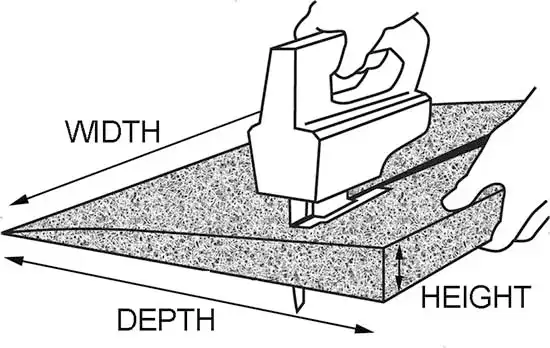
- Customization: If the ramp is slightly too tall or wide, rubber ramps can be trimmed with a utility knife or jigsaw for a perfect fit.
- Height Range: Typically available for rises between 1/2" and 4¾".
- Color Choices: Available in Black or Grey
Aluminum Angled Entry Plates (Best for: Very Low Rises)
- Why choose it: These are thin plates designed for very small bumps, typically under 2 inches. They are ideal if you just need to bridge a small lip or uneven threshold.
- Height Range: Typically available for rises between 1/4" and 2".
- Durability: extremely durable and weather-resistant
Adjustable Aluminum Ramps (Best for: Uneven Surfaces & Exact Heights)
- Why choose it: These ramps feature adjustable feet and legs. If your threshold height is "in-between" standard sizes (e.g., exactly 2.3 inches), you can dial these ramps in to match perfectly.
- Height Range: Great for higher thresholds, often accommodating rises from 1.3" up to 6"
- Uneven Surfaces: The legs are independently adjustable to make them easy to level out.
Modular Aluminum Ramps (Best for: Matching Heights)
- Why choose it: These ramps feature a modular design to use at different threshold heights.
- Height Range: Great for higher thresholds, often accommodating rises from 1" up to 6"
- Modular Design: Available in 1" increments up to 6 inches.
Pro Tip: If the ground is uneven, measure at the left, center, and right side of the doorway. If there is a significant difference, an Adjustable Aluminum Ramp (which has independently adjustable legs) is going to be your best option.
Step 3: Check Door Swing Compatibility
Threshold ramps are designed without edges to allow doors to open. Ensure the threshold ramp will be lower than the door for it to open over it.
Step 4: Verify Weight Capacity
Ensure the ramp can support the combined weight of the user, the wheelchair/scooter, and any caregiver.
- Standard Rubber/Aluminum Ramps: Typically support 700–850 lbs, which is sufficient for almost all manual and power wheelchairs.
Conclusion:
Selecting the right threshold ramp is a vital step in making your home or business more accessible. By considering factors like height, width, material, and environment, you can find a ramp that meets your needs. Explore the wide selection of door threshold ramps available to find the perfect fit for your situation. With the right ramp, you can ensure safety, independence, and convenience for anyone navigating thresholds in your space.
Leave your comment